Skip to content
Blood Drop logo — Connecting Donors, Saving Lives
Download App — Free
Guide

Blood components: one donation, many lives

One donation of whole blood can be separated into parts that help different patients. When you request blood in the Blood Drop app, you choose the component the doctor asked for.
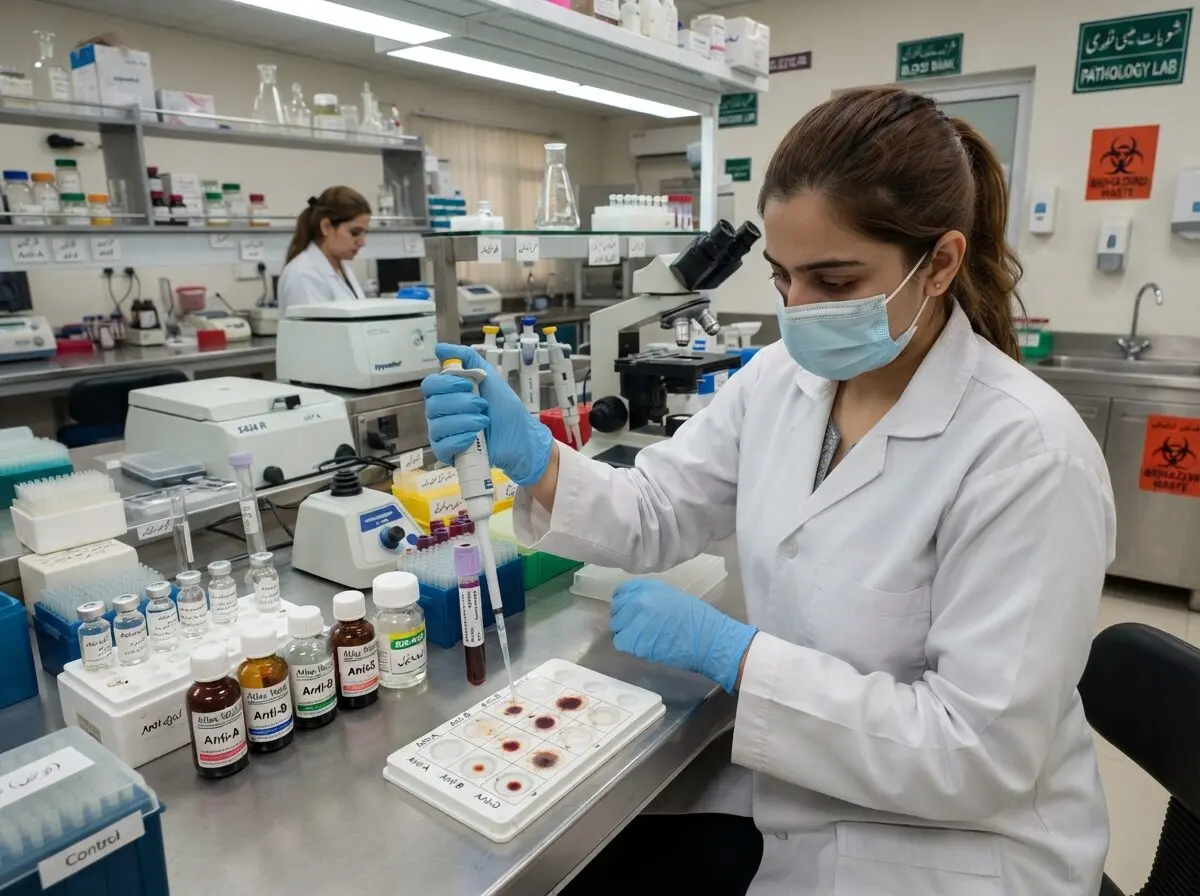
Lab technician separating and testing blood at a blood bank laboratory

Whole Blood

مکمل خون (ہول بلڈ)

What it is
Blood as donated, not separated.
Mainly used for
Major trauma, massive blood loss, some surgeries.
Storage
Stored: 2–6 °C · about 35 days

Red Cells (PRBC)

سرخ خلیات (ریڈ سیلز)

What it is
Packed red blood cells separated from whole blood, most plasma removed.
Mainly used for
Anemia, thalassemia transfusions, blood loss in surgery or childbirth.
Storage
Stored: 2–6 °C · about 35–42 days

Platelets

پلیٹ لیٹس

What it is
Clotting cells, from whole blood or by apheresis.
Mainly used for
Dengue with low platelets, leukemia and chemotherapy, bleeding disorders.
Storage
Stored: 20–24 °C with gentle shaking · 5 days

Plasma (FFP)

پلازما (ایف ایف پی)

What it is
Liquid part of blood, frozen within hours to keep clotting factors.
Mainly used for
Clotting-factor deficiency, liver disease, severe bleeding.
Storage
Stored: −18 °C or colder · up to 1 year

Good to know

  • Donors give whole blood once; the blood bank separates it into components.
  • Red-cell compatibility applies to whole blood and red cells. Plasma works the other way: AB plasma suits every patient; O plasma suits only O patients.
  • Platelets are in highest demand during dengue season and are matched by the hospital. Platelet-only (apheresis) donation is arranged by hospitals.
  • Whole-blood donors wait at least 90 days between donations.

Your doctor or blood bank decides which component the patient needs. This guide is general information, not medical advice.

Free · Non-profit · Private

Be someone’s lifeline today

Download Blood Drop free. Register as a donor in two minutes, or find a donor when your family needs one.